
In Amazon Games' MMORPG Throne and Liberty, most players obsess over the big four stats—Strength, Dexterity, Wisdom, and Perception. But lurking beneath the surface is a network of secondary attributes that can make or break your PvP and dungeon dominance. Among these, Collision Chance has quietly become a linchpin for tanks and brawlers who live to toss enemies around like ragdolls. If you’ve ever wanted to yank a mage off a cliff or send an assassin tumbling across the arena, this stat deserves your full attention.
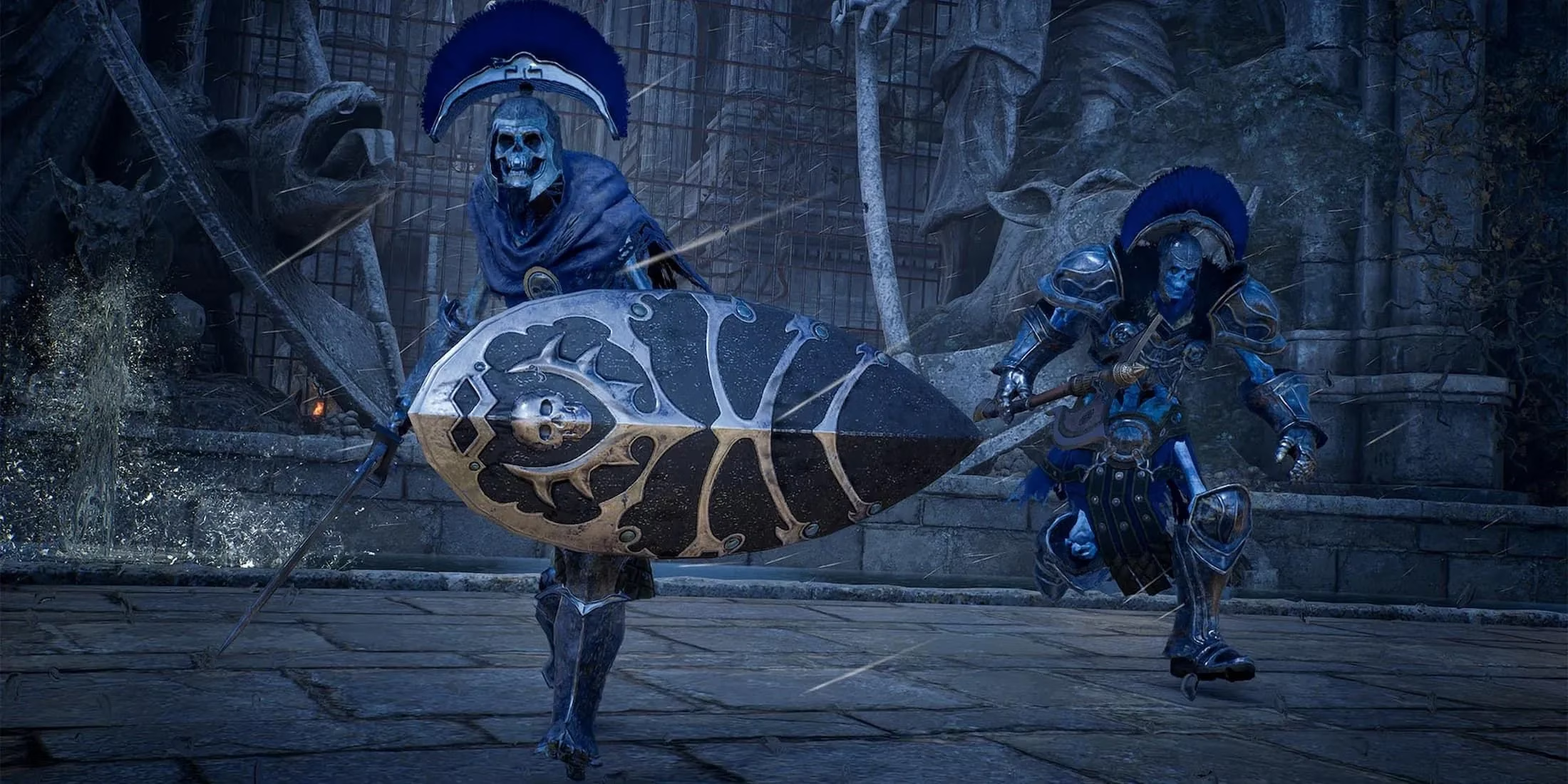
Put simply, Collision Chance is your character’s ability to land movement-disrupting effects on a target. Think of it like Hit Chance’s rowdier cousin—it doesn’t determine whether your sword connects, but whether the follow-up shove, pull, or knockdown actually triggers. The higher your Collision Chance number, the better your odds of making that enemy eat dirt. That’s the whole enchilada, and once you grasp it, you’ll start seeing the battlefield as a giant chessboard rather than a mindless brawl.
Now, here’s where it gets spicy. The game runs a silent check each time you use a Collision-tagged skill: your Collision Chance versus the enemy’s Collision Evasion. For every 10-point gap in your favor, your success rate climbs by roughly 4%. That might not sound earth-shattering, but when you’re trying to land a Guillotine Blade on a prone target—whose damage skyrockets against knocked-down foes—those percentages add up fast. On the flip side, if an opponent has higher Collision Evasion, you’ll be whiffing those crucial interrupts more often than not. Cue the sad trombone.
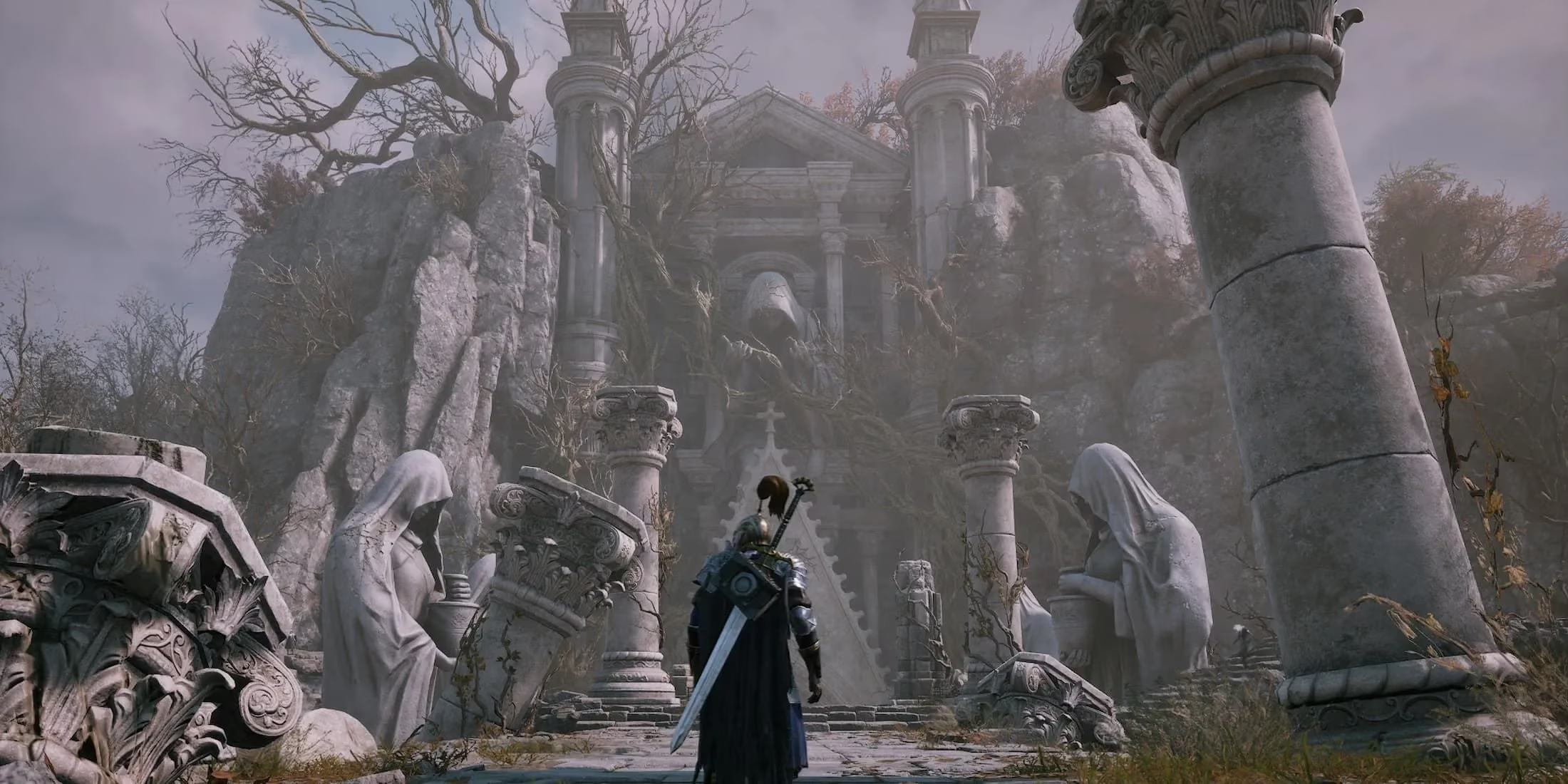
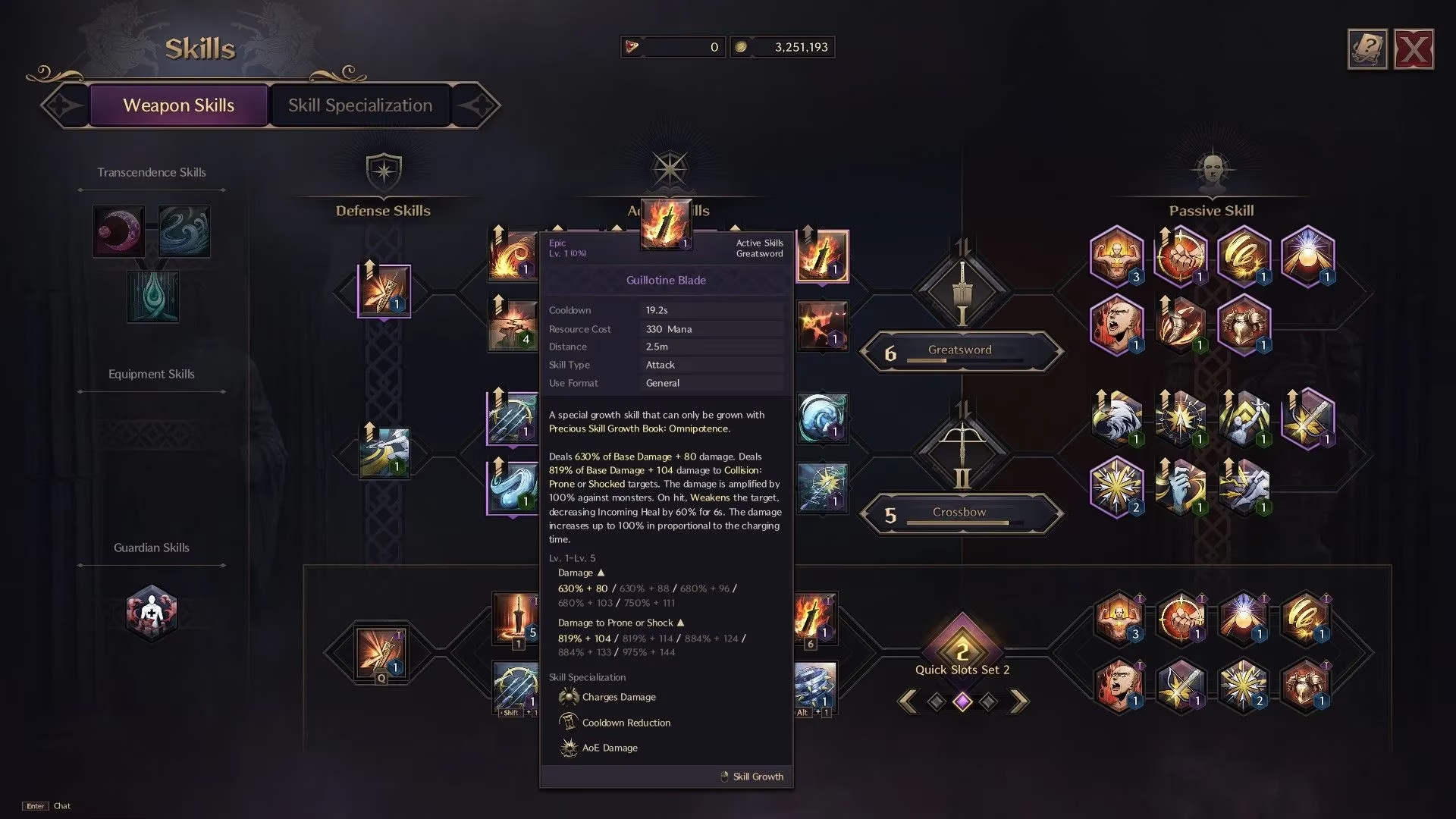
The Collision keyword covers a handful of debilitating crowd-control flavors. The most common you’ll encounter are Collision: Push, Collision: Pull, and Collision: Prone. Strategic Rush (Sword and Shield) sends foes flying backward—perfect for peeling threats off your healer. Chain Hook (also Sword and Shield) does the opposite, reeling in a slippery ranger like a fish on a line. Crossbow wielders get in on the action with Collision Shot, a ranged push that can knock an enemy off a capture point. And then there’s Ascending Slash, a Greatsword skill that inflicts Prone, setting up the jaw-dropping combo with Guillotine Blade. Pulling off that sequence is pure serotonin for melee enthusiasts.
If your build lives and dies by these setups, ignoring Collision Chance is a rookie mistake. Any tank or bruiser leaning on Prone, Push, or Pull effects should sprinkle this stat onto their gear where possible. But—and this is a big but—don’t go all-in like a gambler at a roulette table. Hit chance, heavy attack, and raw defensive stats still reign supreme for overall durability and damage. Collision Chance is the cherry on top, not the sundae itself. In 2026, with the meta shifted by recent gear updates and world events, savvy players are slotting Collision Chance runes or traits only after securing their core thresholds. A solid baseline is around 300-400 extra Collision Chance before diminishing returns start laughing at you.
What makes this stat so fascinating in the current landscape is the rock-paper-scissors interplay with Collision Evasion. Many PvP builds stack a chunk of evasion these days, meaning your perfectly timed push could flop at the worst moment. This has sparked a mini arms race among frontline players, with some trading off a bit of endurance for Collision Chance traits on their boots or bracelets. It’s a dirty trick, but hey—no one ever won a siege by playing nice.
When you’re putting together your loadout, keep an eye out for weapon masteries that boost collision-related success rates. Sword and Shield specialists get a couple of juicy nodes, and the Greatsword tree has a few hidden gems. Pair that with a crafted Lithograph set or a field boss drop that grants Collision Chance, and you’re cooking with gas. Just remember, the number alone isn’t a free pass; positioning and timing still separate the pros from the button mashers.
Ultimately, Collision Chance is all about control. In large-scale PvP like castle sieges or Boonstone wars, being able to reliably yank a shot-caller into your zerg or push a bomber away from your backline can turn the tide instantly. Even in PvE, a timely prone can interrupt a boss’s devastating cast. So next time you’re theorycrafting at the auction house, don’t just stare at those big damage numbers. Give Collision Chance a nod—it might just be the secret sauce that takes your crowd-control game from meh to magnificent.
Insights are sourced from The Verge - Gaming, where broader MMO combat design discussions often underscore how secondary, “invisible” stats can decide fights by improving reliability rather than raw damage—an idea that maps cleanly onto Throne and Liberty Collision Chance as the consistency layer behind Push/Pull/Prone setups, especially in objective PvP where one successful displacement can matter more than a higher DPS sheet number.
Comments